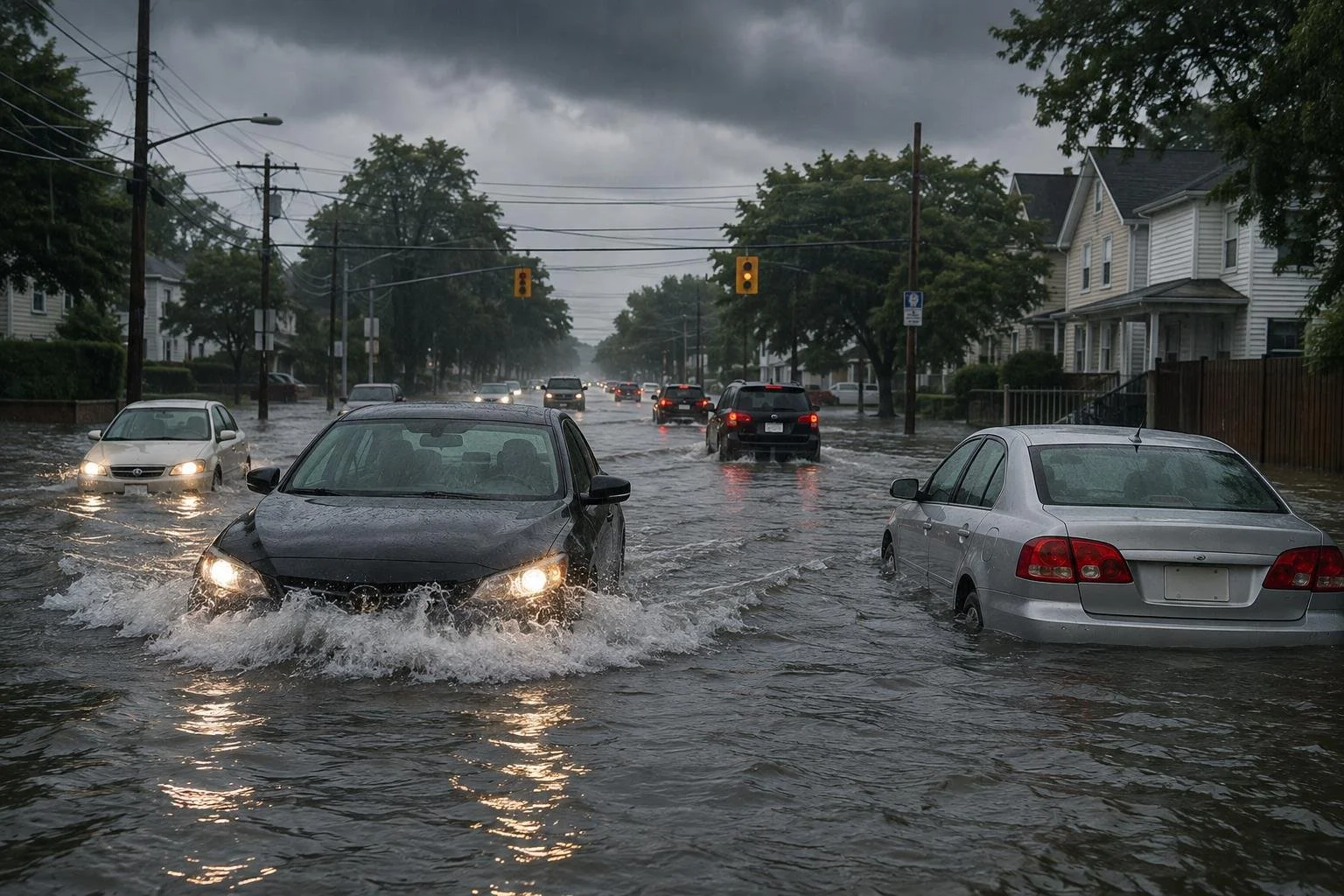
Why is Long Island Flooding More Frequently These Days?
Long Island is flooding more frequently due to a convergence of climate change driving extreme rainfall, rising sea levels, extensive suburban development, and aging storm infrastructure.
As a low-lying coastal landmass, Long Island is uniquely vulnerable to multiple types of flooding — including flash flooding from sudden downpours, chronic tidal flooding (high-tide flooding), and coastal storm surges.
1. Climate Change and "Supercharged" Rain
The atmosphere is warming, and warmer air holds more moisture — roughly 7% more water vapor per degree Celsius of warming.
Extreme Downpours: Instead of steady, manageable rain, Long Island increasingly experiences severe, sudden deluges where inches of rain dump in just a few hours. This frequently causes widespread urban flash flooding.
Warmer Ocean Temperatures: Rising ocean temperatures fuel stronger, more moisture-rich coastal storms and hurricanes, which bring massive rainfall and heightened storm surges right into coastal communities.
2. Sea Level Rise and Tidal Flooding
Global sea levels are rising, and the water levels around the New York metro area are increasing faster than the global average.
Sunny Day Flooding: Higher base sea levels mean that normal high tides are now high enough to back up into coastal drainage systems.
The Check-Valve Effect: When local bay levels are high, stormwater drainage pipes cannot empty out into the ocean or bays. Instead, the rising seawater pushes backward up through the pipes, spilling onto streets in low-lying North and South Shore neighborhoods even when it is not raining.
3. Overdevelopment and Impervious Surfaces
Long Island's transition from natural landscapes to dense suburban sprawl has drastically altered how the ground handles water.
Concrete Barriers: Decades of building roads, parking lots, driveways, and rooftops have created vast "impervious surfaces".
Loss of Natural Absorption: Rainwater that used to soak naturally into the soil and replenish the underground aquifer now has nowhere to go. It stays above ground, transforming rapidly into high-velocity runoff that collects in low-lying intersections and hillsides.
4. Aging and Inadequate Infrastructure
Much of Long Island's underground drainage system was built decades ago and designed for the climate patterns of the mid-20th century.
Undersized Storm Drains: Most drainage pipes and catch basins are mathematically overwhelmed by modern storm volumes. They fill to maximum capacity within minutes during a storm, causing water to pool over curbs and threaten homes.
Maintenance Backlogs: Debris, leaves, and sand frequently clog the existing drainage networks. Without expensive, continuous municipal upgrades like heavy-duty pump networks, backflow preventers, and expanded drainage basins, the infrastructure simply cannot keep up with the water.